
Understanding the Storm Restoration Process: A Chesterfield Homeowner's Guide


Introduction to Storm Restoration
Experiencing a storm can be a daunting ordeal for any homeowner. The aftermath often leaves a trail of damage that needs immediate attention. Understanding the storm restoration process can help Chesterfield homeowners navigate this challenging time more effectively. Here's a comprehensive guide to help you through the process.
Initial Assessment and Safety
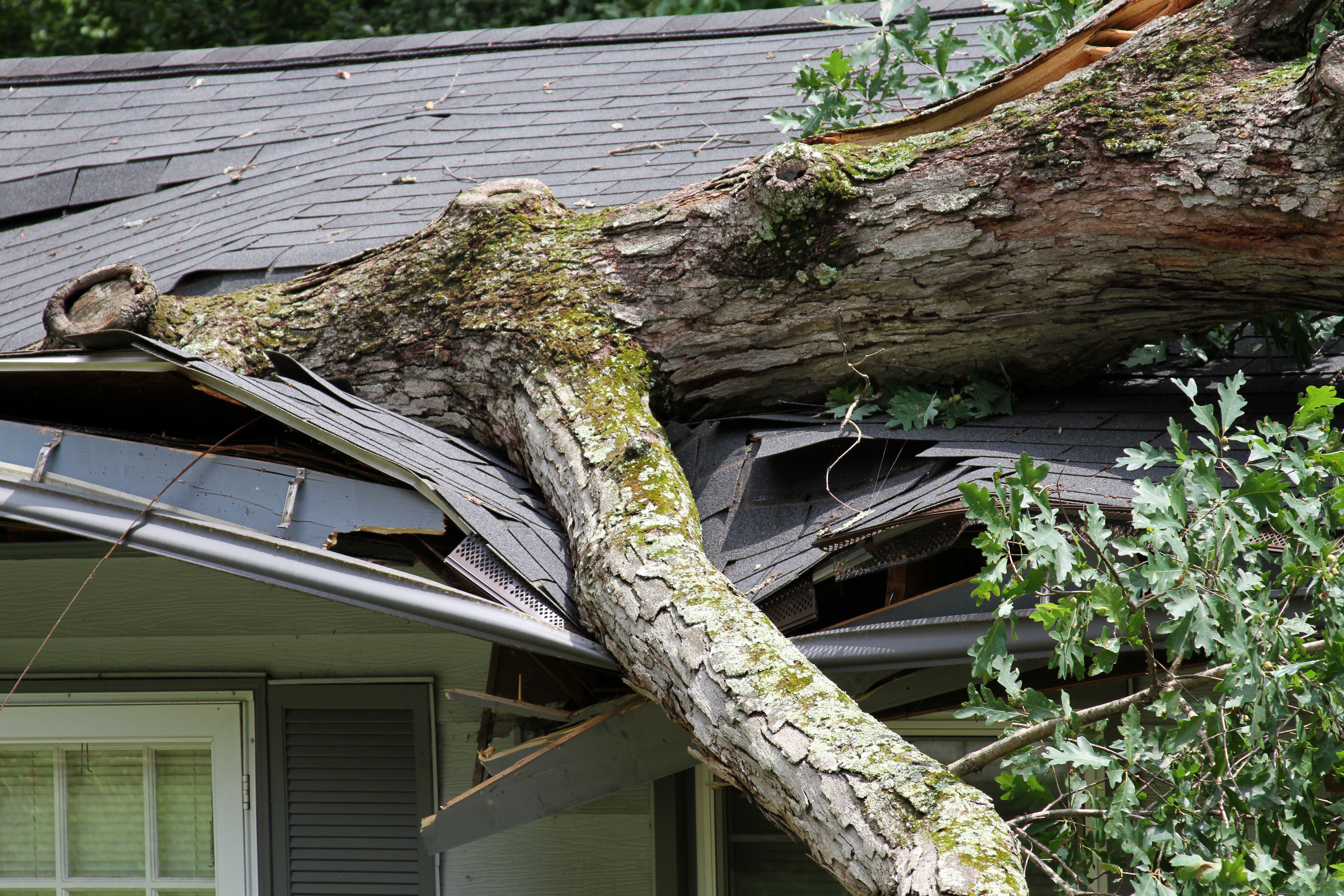
The first step in storm restoration is conducting an initial assessment of the damage. It's crucial to ensure the safety of your family and property. Check for any immediate hazards such as downed power lines, broken glass, or unstable structures. If the damage is severe, it may be necessary to evacuate until it is safe to return.
Documenting the damage is essential for insurance purposes. Take photographs of all affected areas, including interiors and exteriors, as this will aid in filing a claim with your insurance company.
Contacting Your Insurance Provider
Once the initial assessment is complete, contact your insurance provider to report the damage. They will guide you through the claims process and inform you of the necessary documentation. Be sure to keep records of all communications and document any agreements or instructions provided by your insurer.

Selecting a Restoration Company
Choosing a reliable restoration company is critical in ensuring the quality and efficiency of the repair work. Look for companies with a strong reputation in storm restoration and check for certifications from reputable industry organizations.
It’s advisable to obtain multiple quotes to compare services and pricing. Ensure that the company you choose is licensed, insured, and has experience in dealing with storm damage.
The Restoration Process
The restoration process typically involves several stages, including:
- Debris Removal: Clearing away fallen trees, branches, and other debris.
- Water Extraction and Drying: Removing water and drying out affected areas to prevent mold growth.
- Structural Repairs: Repairing roofs, walls, and other structural components.
- Interior Restoration: Restoring or replacing damaged flooring, drywall, and fixtures.

Preventive Measures
Once the restoration is complete, consider implementing preventive measures to minimize future storm damage. This can include reinforcing your roof, installing storm shutters, and maintaining trees and landscaping around your property.
Regular maintenance and inspections can also help identify potential issues before they become severe, offering peace of mind during storm season.
Conclusion
Understanding the storm restoration process empowers homeowners in Chesterfield to act swiftly and effectively in the aftermath of a storm. By following these steps, documenting damage, and choosing the right restoration company, you can restore your home to its original condition and safeguard it against future storms.