
Navigating Insurance Claim Assistance for Storm Damage in Chesterfield


Understanding the Basics of Storm Damage Insurance
Storms can leave a trail of destruction, and navigating insurance claims can be overwhelming. Understanding the basics of storm damage insurance is crucial. It typically covers damages caused by wind, hail, lightning, and other storm-related incidents. Knowing what your policy includes is the first step in ensuring a smoother claims process.
Before a storm strikes, review your policy details. Look for specific coverage types and limitations. It's also wise to understand your deductible and how it might affect your claim. Preparation can be key to managing stress during these challenging times.
Documenting the Damage
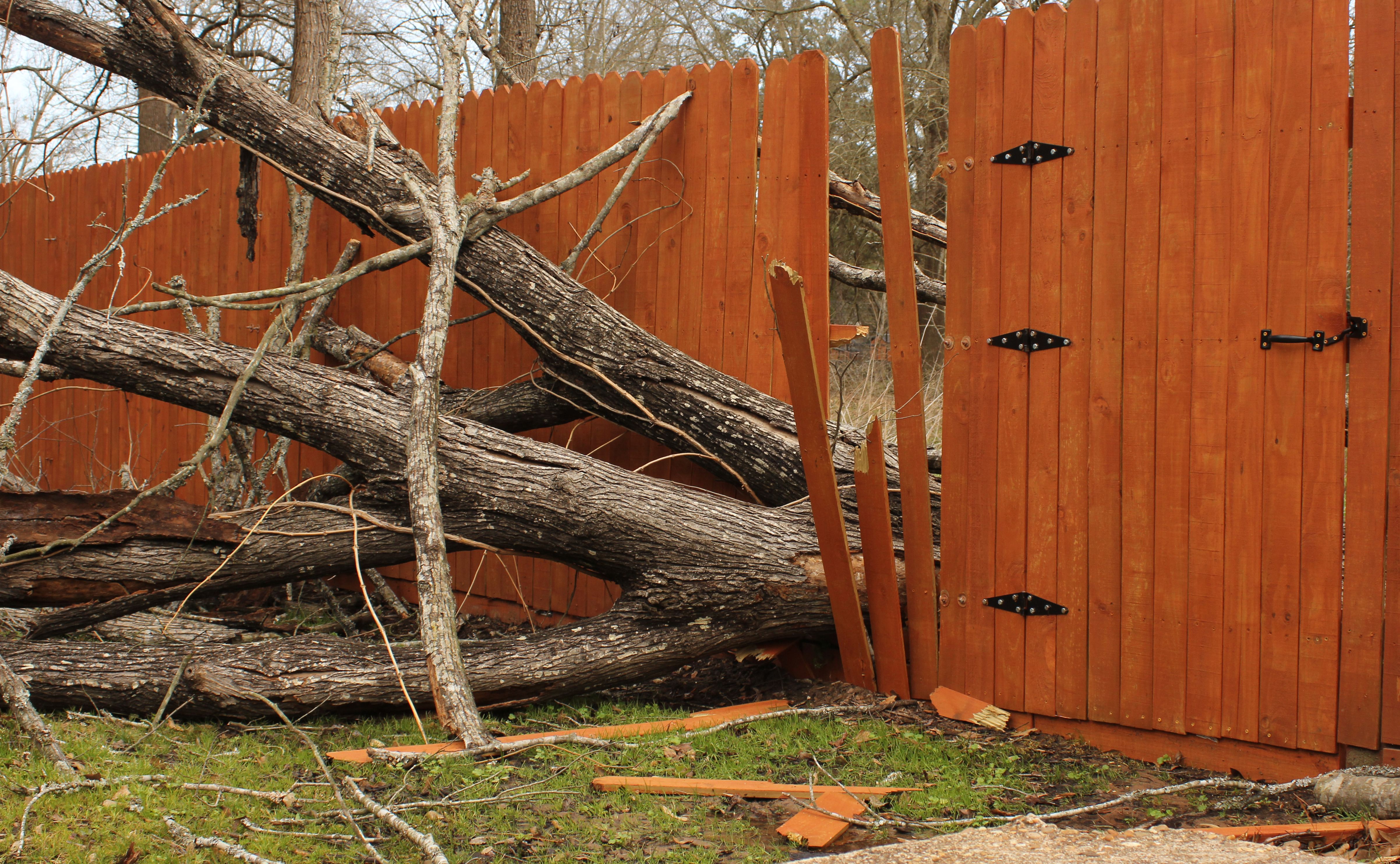
Once the storm has passed, the first step is to document the damage thoroughly. Take clear and detailed photos of all affected areas. These will serve as crucial evidence when filing your insurance claim. Ensure that you capture both wide shots and close-ups to provide a comprehensive view of the damage.
In addition to photos, keep a written record of everything damaged, including structures, landscaping, and any personal belongings. This inventory will help streamline the claims process and ensure nothing is overlooked.
Filing Your Insurance Claim
When you're ready to file your claim, contact your insurance provider as soon as possible. Be prepared to provide all the documentation you've gathered. This will include your photos, inventory list, and any repair estimates you've obtained.
Most insurance companies offer multiple ways to file a claim, such as online, over the phone, or via a mobile app. Choose the method that is most convenient for you. Make sure to note your claim number and the contact information of the adjuster assigned to your case.

Working with Insurance Adjusters
Once your claim is filed, an insurance adjuster will be assigned to assess the damage. Their role is to evaluate the extent of the damage and determine the payout. Be present during the adjuster's visit to ensure they have a complete understanding of the damage.
Communicate clearly and provide them with all the documentation you've gathered. This is your opportunity to discuss any concerns or specific areas that require attention. Remember, an adjuster's evaluation can influence the final settlement amount.
Repair and Restoration
After the claim is approved, you can begin the repair and restoration process. It's important to choose reputable contractors who are experienced in storm damage repair. Seek recommendations or check reviews to make informed decisions.
Keep all receipts and records of the work done. This documentation may be required by your insurance company to verify that repairs align with the claim. Staying organized throughout this process can help ensure a smooth resolution.

Handling Disputes and Denials
If your claim is denied or you disagree with the settlement amount, you have options. Start by reviewing the denial letter carefully to understand the reasons. It's possible to appeal the decision by providing additional evidence or documentation that supports your claim.
Consider seeking assistance from a public adjuster or legal professional if the dispute cannot be resolved. They can provide expert guidance and representation to help you achieve a fair outcome.
Preventive Measures for Future Storms
Once your home is repaired, consider taking preventive measures to minimize future storm damage. This might include reinforcing windows and doors, installing storm shutters, or improving drainage systems around your property.
Regular maintenance and inspections can also help identify potential vulnerabilities. Investing in these precautions can offer peace of mind and potentially reduce the severity of future claims.
Conclusion
Navigating insurance claims for storm damage in Chesterfield requires careful documentation, timely communication, and informed decision-making. By understanding your policy, working closely with your insurance provider, and taking preventive measures, you can effectively manage the challenges of storm damage recovery.
Remember that each insurance policy is unique, so always refer to your specific terms and conditions. Being proactive and prepared can make all the difference in the aftermath of a storm.