Maximizing Your Insurance Claim for Storm Damage: Expert Advice


Experiencing storm damage can be stressful and overwhelming. However, understanding how to maximize your insurance claim can ease the process and ensure you receive the compensation you deserve. Let's explore expert advice on navigating this challenging situation.
Document Everything Thoroughly
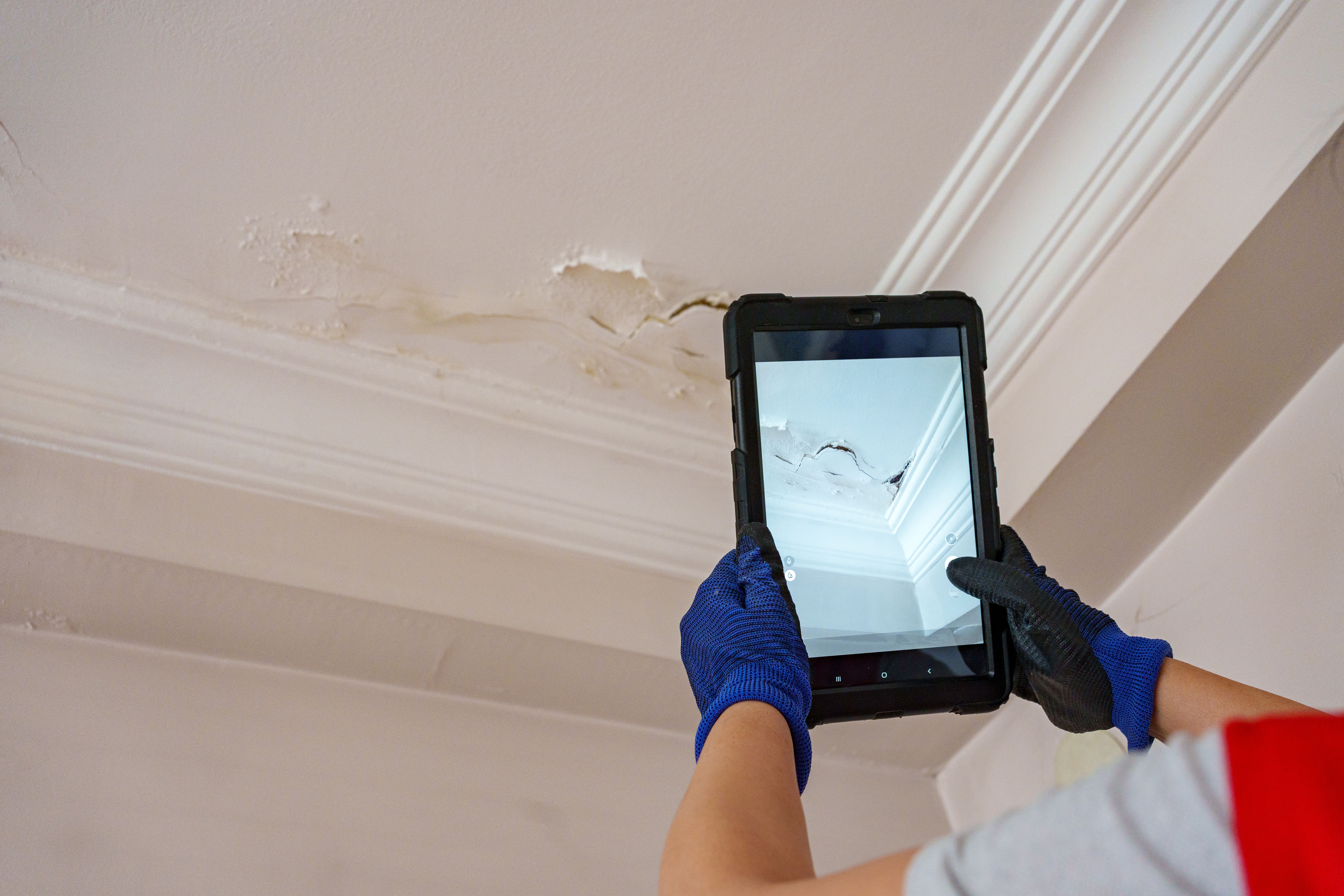
Before you start your claim, it's crucial to document all damage meticulously. Take clear photographs and videos of the affected areas, capturing every detail. This documentation serves as vital evidence when you present your claim to the insurance company.
In addition to visual evidence, maintain a written record of the damage and any temporary repairs you've made. Keeping organized records can strengthen your claim and help avoid disputes with your insurer.
Contact Your Insurance Company Promptly
Time is of the essence when dealing with storm damage. Contact your insurance company as soon as possible to report the damage. Most policies have time limits for filing claims, so prompt communication is essential.
When you make the initial call, be prepared with your policy number, details of the damage, and any documentation you have gathered. This will help expedite the process and ensure your claim is handled efficiently.
Understand Your Policy
Before filing a claim, review your insurance policy to understand what is covered. Policies can vary significantly, and knowing your coverage limits, deductibles, and exclusions will help set realistic expectations.
If you're unsure about specific terms or coverage, consider consulting with an insurance expert. They can provide clarity and ensure you make the most of your claim.

Get Professional Estimates
Obtaining estimates from licensed contractors can provide a clear picture of the repair costs. Share these estimates with your insurance adjuster to support your claim. Insurers often have preferred contractors, but independent estimates can ensure that you're getting a fair assessment.
Ensure that the estimates cover all necessary repairs, including structural, electrical, and cosmetic damage. Comprehensive estimates can prevent underpayment and ensure your home is restored to its original condition.
Be Prepared for the Adjuster
When the insurance adjuster visits your property, be prepared to walk them through the damage. Share all your documentation and be available to answer questions. A cooperative approach can facilitate a smoother claim process.
During the visit, ensure you understand the adjuster’s assessment and ask for clarification if needed. Taking notes during this meeting can be beneficial for future reference.

Negotiate if Necessary
If the initial settlement offer is lower than expected, don't hesitate to negotiate. Provide additional documentation or estimates to support your case. Being persistent and informed can lead to a more favorable outcome.
Consider hiring a public adjuster if negotiations stall. These professionals work on your behalf and can often help secure a better settlement.
Final Steps and Follow-Up
Once your claim is settled, ensure that repairs are completed promptly and to your satisfaction. Keep all communication and documentation organized for future reference.
Follow up with your insurance company if there are any delays or issues. Staying proactive can prevent further complications and ensure a smooth recovery process.