
How to Conduct a DIY Post-Storm Inspection: A Step-by-Step Guide for Chesterfield Homeowners


Understanding the Importance of a Post-Storm Inspection
After a storm hits Chesterfield, it's crucial for homeowners to assess any potential damage to their property. Conducting a DIY inspection can help identify issues early, preventing more extensive and costly repairs in the future. This guide will walk you through the essential steps to ensure your home's safety and integrity.
Gathering Your Inspection Tools
Before you begin your inspection, gather the necessary tools to make the process smooth and efficient. You will need a flashlight, camera or smartphone, notepad, and safety gear such as gloves and a hard hat. Having these tools on hand will help you document any damage and keep you safe during the inspection.
Safety First
Ensure your safety by wearing appropriate gear, especially if there are any downed power lines or unstable structures. It's also a good idea to have a family member or friend with you during the inspection for added safety. If you encounter any dangerous situations, contact a professional immediately.
Exterior Inspection
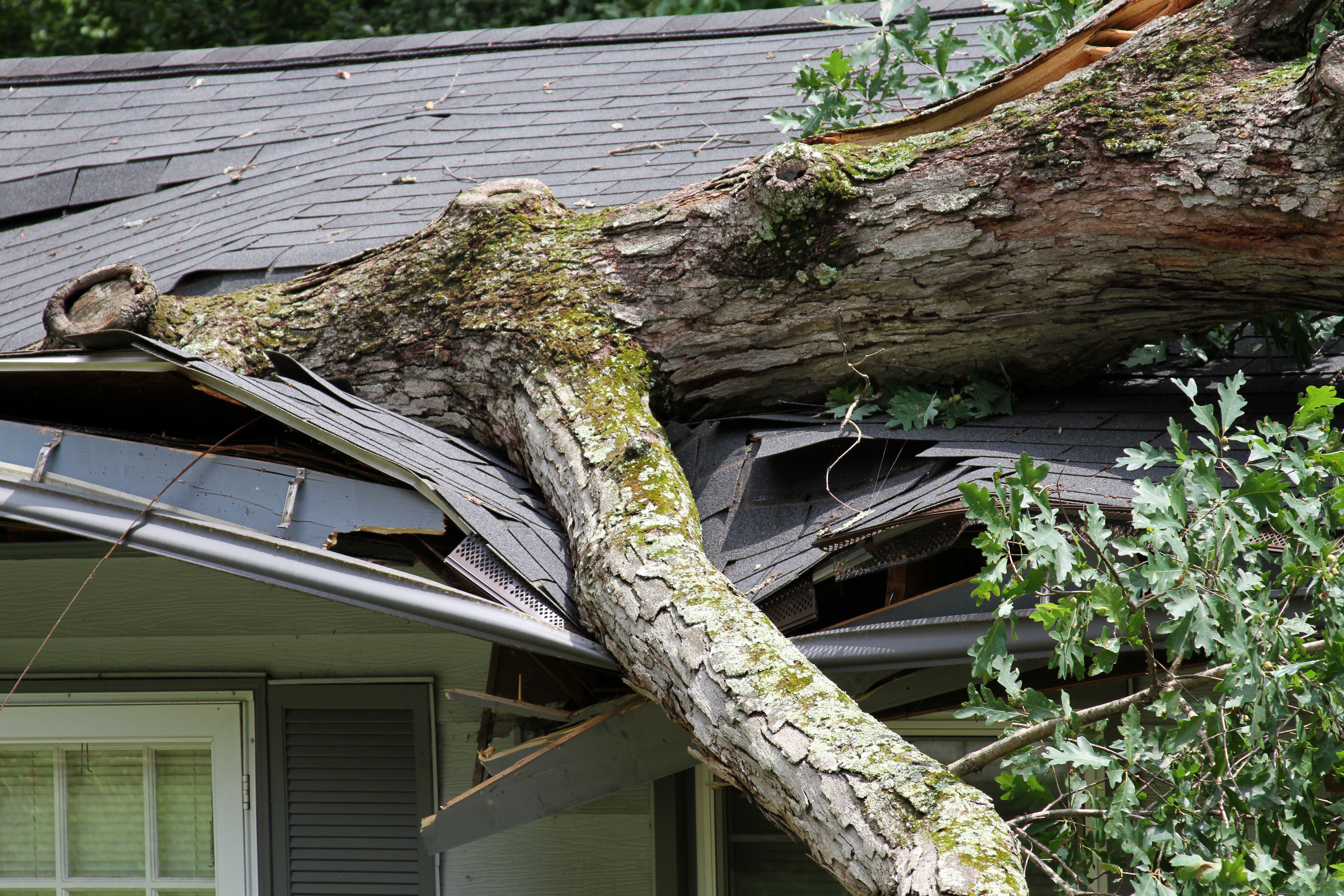
Start your inspection by assessing the exterior of your home. Check the roof for missing shingles, damaged flashing, or debris. Look at the gutters to ensure they are intact and free of blockages. Inspect siding and windows for cracks or other signs of damage.

Checking the Yard
Examine your yard for fallen trees, broken branches, and debris. Make sure fences and outbuildings, like sheds or garages, are still secure and undamaged. If you notice any issues, take photos and notes for future reference.
Interior Inspection
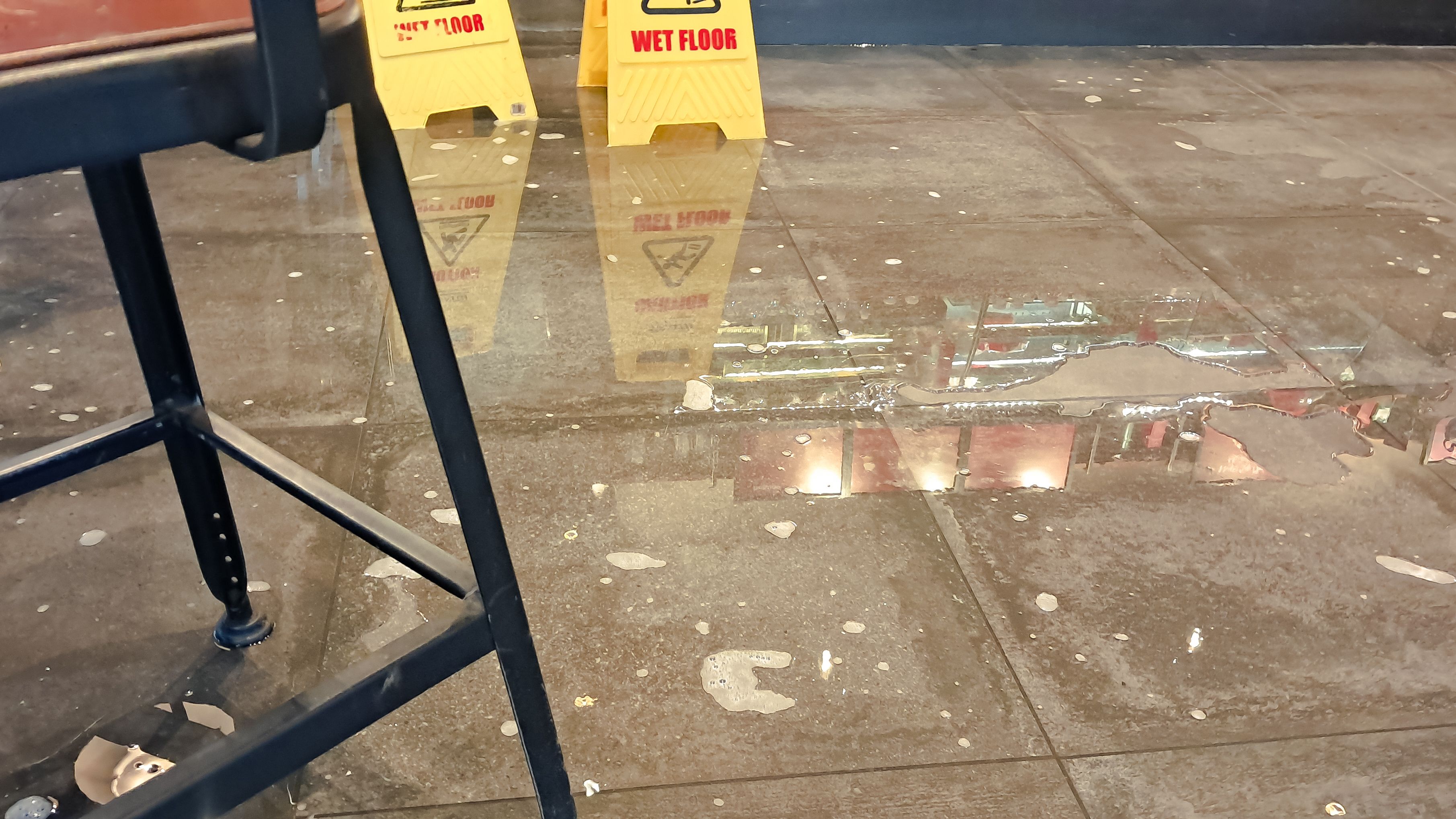
Once the exterior is checked, move inside. Look for leaks or water stains on ceilings and walls, which could indicate roof damage. Check the attic for any signs of water intrusion and inspect the basement for flooding or moisture. Use your flashlight to look into dark corners or behind furniture where issues might be hiding.
Electrical and Utility Systems
Test your electrical system by flipping switches and checking outlets. Ensure your HVAC system is functioning correctly and inspect water heaters and plumbing for leaks or unusual noises. If any systems appear damaged, consult with a professional technician.
Documenting and Reporting
As you conduct your inspection, take detailed notes and photographs of any damage you find. This documentation will be invaluable if you need to file an insurance claim. Be thorough and methodical to ensure nothing is overlooked.
When to Call a Professional
While a DIY inspection can catch many issues, some situations require professional expertise. If you find structural damage, electrical hazards, or suspect mold growth, contact a qualified professional to assess and address these problems.
Conclusion
Conducting a post-storm inspection is a critical task for Chesterfield homeowners. By following this guide, you can effectively assess your property and take action to maintain its safety and value. Remember, when in doubt, it's always best to seek professional assistance to ensure your home is secure and well-maintained.