
Comprehensive Guide to Insurance Claim Assistance for Storm Damage


Understanding Storm Damage Insurance Claims
Storms can leave a path of destruction, impacting homes and properties significantly. Navigating the insurance claim process after such events can be overwhelming. Understanding the steps involved is crucial to ensuring you receive the compensation you deserve. This guide will walk you through the process of filing an insurance claim for storm damage, offering tips and insights to make the process smoother.
Assessing the Damage
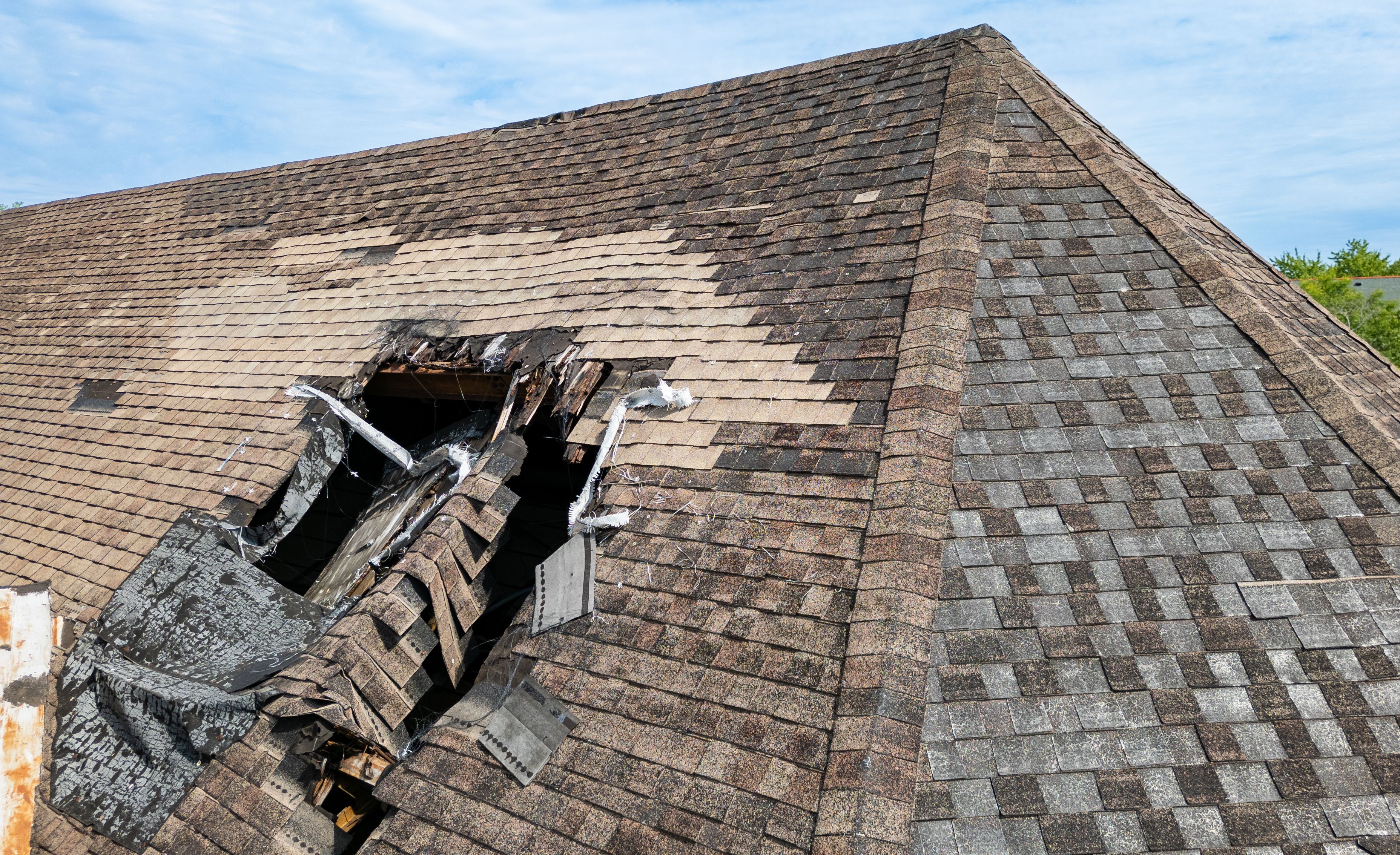
The first step in the claims process is to assess the damage thoroughly. It is essential to document everything meticulously. Take clear photographs and videos of all affected areas. Ensure you capture both wide shots and close-ups to provide a comprehensive view of the damage. This evidence will support your claim and help the insurance adjuster understand the extent of the damage.
Make a detailed inventory of damaged items, noting their condition before the storm. This list will be invaluable when discussing the claim with your insurance company. Remember that the more detailed and accurate your documentation, the better your chances of a fair settlement.

Contacting Your Insurance Company
Once you have documented the damage, contact your insurance company as soon as possible. Most policies require prompt notification of any claims. Provide them with all the evidence you have gathered and be prepared to answer questions about the extent of the damage. This initial contact is crucial, as it sets the stage for the entire claims process.
During this conversation, inquire about temporary repairs you can make to prevent further damage. Keep receipts for any emergency repairs, as these can be included in your claim. Your insurance company may also provide guidance on approved contractors for more extensive repairs.

Working with an Insurance Adjuster
An insurance adjuster will be assigned to assess the damage to your property. It is essential to be present during their inspection to ensure they see all areas of concern. Walk them through your documentation, emphasizing any critical points. Be honest and thorough in your discussions, as this will facilitate a fair evaluation.
Sometimes, you may not agree with the adjuster's assessment. If this occurs, consider hiring a public adjuster who can provide an independent evaluation. They will work on your behalf to negotiate with the insurance company for a better settlement.

Finalizing Your Claim
After the adjuster’s visit, your insurance company will provide a settlement offer. Review this offer carefully to ensure it covers all the damages you have documented. Do not hesitate to ask questions or request clarifications if needed. If you find discrepancies or believe the offer is insufficient, negotiate with your insurance company for a better settlement.
Once you agree on a settlement, your insurance company will process the payment. Use these funds to repair and restore your property. Keep all documentation related to the repairs, as this may be necessary for future claims or evaluations.

Preventing Future Damage
After dealing with the aftermath of a storm, consider taking steps to minimize future risks. Reinforce your home’s structure, trim trees, and install storm shutters. Review your insurance policy regularly to ensure it provides adequate coverage for potential future incidents.
Being proactive can save you significant time, stress, and money in the long run. Additionally, maintaining a good relationship with your insurance provider can be beneficial should you need to file claims in the future.