
Common Myths About Storm Restoration Debunked


Understanding Storm Restoration
Storm restoration is critical for maintaining the integrity of homes and properties after severe weather events. Unfortunately, several myths surrounding this process can lead to confusion and missteps. It's essential to separate fact from fiction to ensure effective restoration.
Many people believe that storm restoration is a quick fix, but this is far from the truth. The process involves detailed assessments and repairs that require time and expertise. Proper restoration ensures safety and longevity, so rushing it can lead to further complications.
Myth: Insurance Covers Everything
A common misconception is that insurance will cover all storm-related damages. While insurance can significantly help, it often doesn't cover everything. Policies vary widely, and some damages might require out-of-pocket expenses. It's crucial to understand your policy thoroughly and consult with your provider to know what's included.
Understanding Policy Limits
Insurance policies have limits and exclusions. It's important to review these details to avoid unexpected costs. Some policies might not cover specific types of weather damage, like flooding or wind, without additional coverage. Being proactive in understanding your policy can save a lot of headaches later.

Myth: DIY Restoration is Sufficient
Some homeowners assume they can handle storm restoration on their own. While minor repairs might be manageable, significant damage requires professional expertise. Professional restoration services have the tools and knowledge to address structural issues and prevent future problems.
The Importance of Professional Help
Professionals can identify underlying issues that are not immediately visible. They ensure that all repairs comply with local building codes, which is often a requirement for insurance claims. Attempting DIY fixes can lead to safety hazards and increased repair costs down the line.

Myth: Storm Damage is Instantly Visible
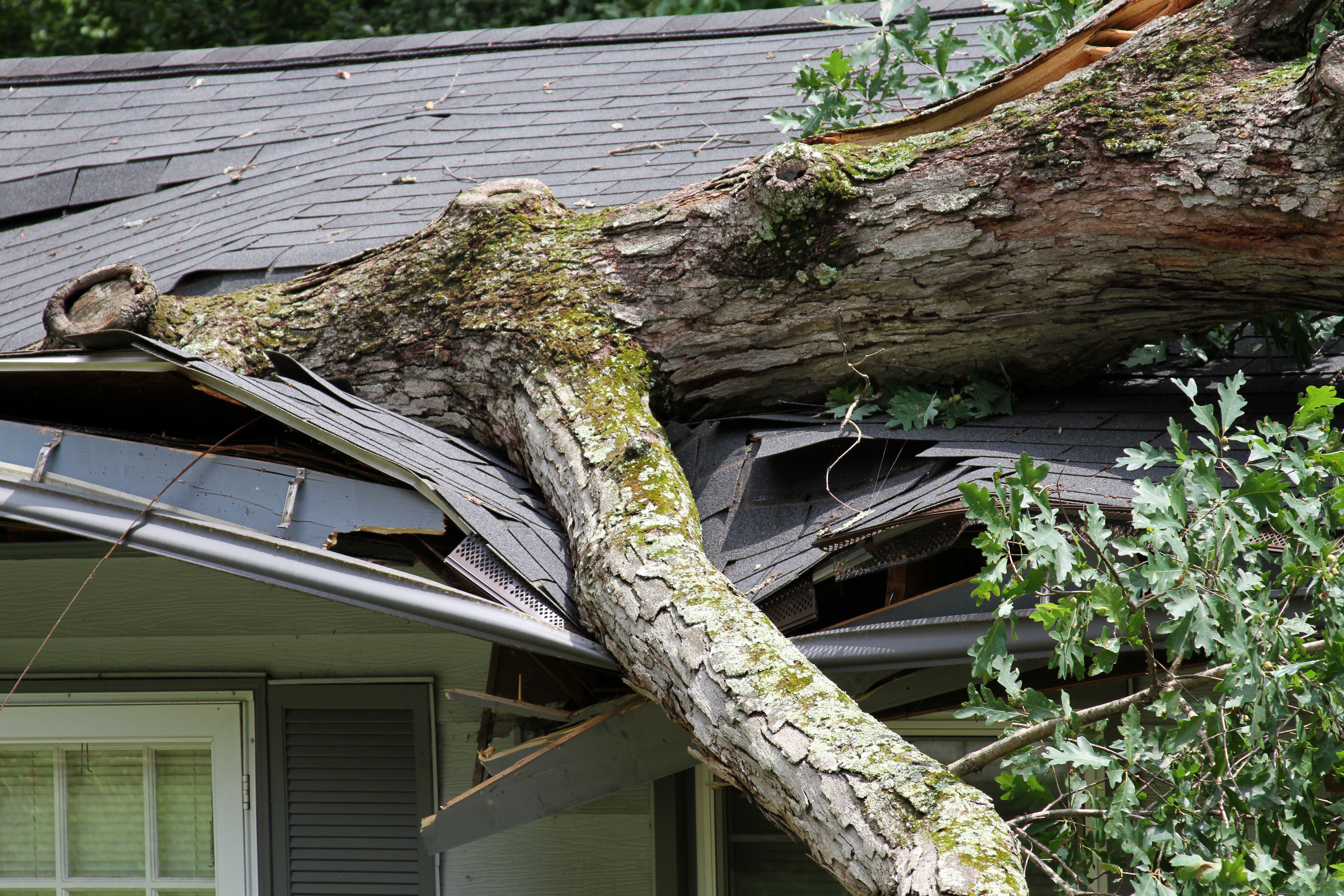
Not all storm damage is immediately apparent. While some damage is obvious, like broken windows or fallen trees, other issues, such as roof leaks or foundation cracks, might develop over time. It's crucial to have a thorough inspection by a professional after a storm to identify hidden problems.
The Risks of Ignoring Hidden Damage
Ignoring hidden damage can lead to severe consequences, including mold growth, structural weakening, and increased repair costs. Early detection and remediation are key to preventing these issues and ensuring the safety of your property.

Conclusion
Understanding the realities of storm restoration can help homeowners make informed decisions. By debunking these common myths, you can approach the restoration process with clarity and confidence. Remember, professional help and a thorough understanding of your insurance policy are invaluable assets in ensuring a successful recovery.