
Case Study: Successful Storm Restoration Projects in Chesterfield


Overview of Storm Restoration in Chesterfield
Chesterfield has faced its fair share of severe weather events over the years. From hurricanes to unexpected thunderstorms, the town has seen significant property damage. However, several successful storm restoration projects have not only repaired but also fortified the community's infrastructure. This case study will explore some of these impactful projects and highlight the key factors that contributed to their success.
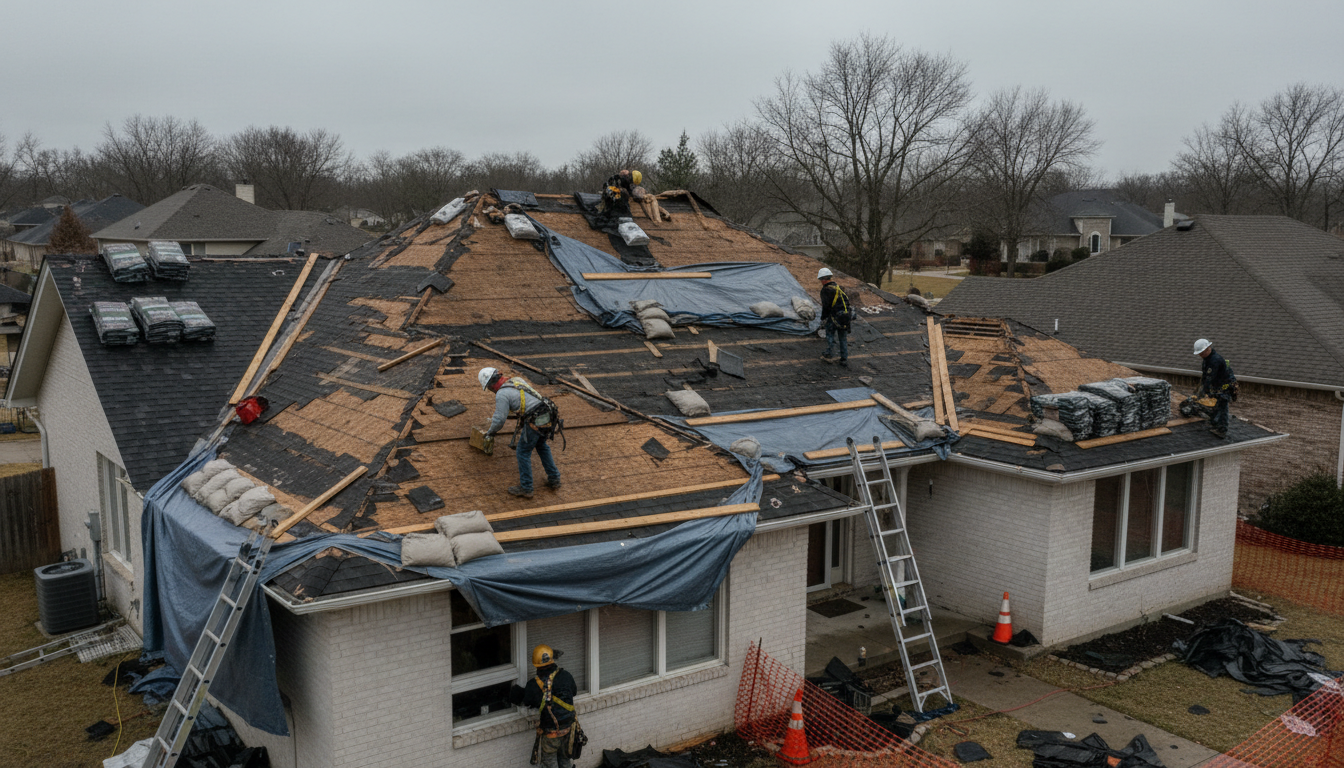
Project Planning and Collaboration
One of the critical aspects of successful storm restoration is meticulous planning. In Chesterfield, restoration projects began with comprehensive assessments conducted by local authorities in collaboration with expert contractors. By leveraging local knowledge and expertise, the teams could prioritize areas most in need of restoration.
Collaboration extended beyond initial assessments. Effective communication channels between government agencies, contractors, and residents ensured that everyone was informed and aligned on project goals. This collaborative approach fostered community trust and facilitated smoother project execution.
Innovative Restoration Techniques
Chesterfield’s restoration projects employed innovative techniques to enhance efficiency and effectiveness. For instance, drone technology was utilized to survey damage and map out restoration plans accurately. This technology allowed for faster assessments and more precise targeting of resources.

Moreover, eco-friendly materials and methods were prioritized to ensure sustainable rebuilding. The use of recycled materials and energy-efficient designs not only benefited the environment but also reduced long-term costs for the community.
Community Involvement and Education
An essential component of Chesterfield’s restoration success was active community involvement. Local residents participated in volunteer clean-up efforts and provided valuable feedback during planning stages. This involvement strengthened community ties and promoted a sense of ownership and pride in the restoration outcomes.
Educational workshops were also organized to inform residents about storm preparedness and recovery strategies. By equipping the community with knowledge and resources, these initiatives aimed to minimize future storm impacts.

Funding and Resource Allocation
Securing adequate funding was another crucial factor in Chesterfield’s restoration success. The projects were supported by a mix of government grants, insurance payouts, and community fundraising efforts. This diversified funding strategy ensured that resources were available to address both immediate and long-term restoration needs.
Efficient allocation of resources was equally important. By prioritizing critical infrastructure such as roads, power lines, and water systems, the projects restored essential services swiftly, reducing disruption to daily life.
Long-Term Impact and Resilience
The successful storm restoration efforts in Chesterfield have had a lasting impact on the community. Infrastructure improvements have not only repaired past damage but also increased resilience against future storms. The community is now better prepared, with enhanced emergency response plans and improved public awareness.
These projects serve as a valuable model for other communities facing similar challenges. By focusing on planning, collaboration, innovation, community involvement, and strategic resource allocation, Chesterfield has set a benchmark in storm restoration success.