
Case Study: Successful Storm Restoration in Chesterfield's Historic District


Overview of the Chesterfield Restoration Project
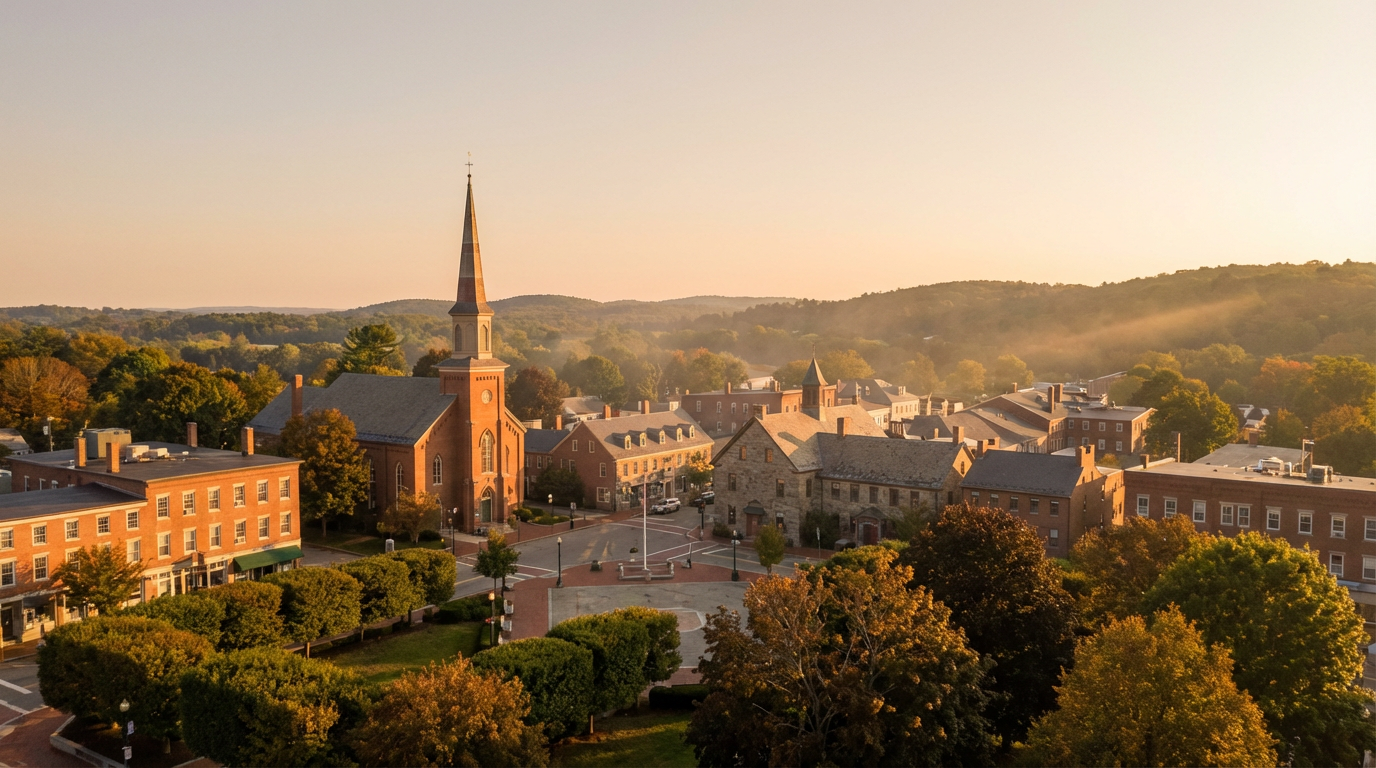
The historic district of Chesterfield, renowned for its charming architecture and cultural significance, faced a severe storm last year. The storm caused substantial damage to many of its iconic buildings, necessitating a comprehensive restoration effort. This case study explores the successful strategies employed to restore Chesterfield to its former glory while preserving its historical integrity.
The restoration project was a collaborative effort involving local government, preservation experts, and skilled craftsmen. The primary goal was to maintain the architectural authenticity of the district while implementing modern techniques for durability and safety.
Initial Assessment and Planning
Before any restoration work could commence, a detailed assessment of the damage was conducted. Experts evaluated each building to determine the extent of structural and aesthetic harm. This phase was crucial for prioritizing tasks and allocating resources efficiently.
The planning phase involved meticulous attention to historical details. Architects and historians worked together to ensure that any new materials used matched the original designs in terms of texture, color, and composition. This collaboration was vital in maintaining the district's unique charm.

Implementation of Restoration Techniques
Once planning was complete, the restoration team employed a range of techniques to address the damage. Traditional craftsmanship was combined with modern technology to ensure both authenticity and resilience. Some key techniques included:
- Brick Repointing: Replacing damaged mortar between bricks to restore structural integrity.
- Woodwork Restoration: Repairing and replacing wooden elements with historically accurate materials.
- Roof Repair: Using weather-resistant materials that mimic original roofing styles.
The use of drones for aerial inspections allowed for precise assessments of roof damage, minimizing the need for intrusive scaffolding.

Community Involvement and Support
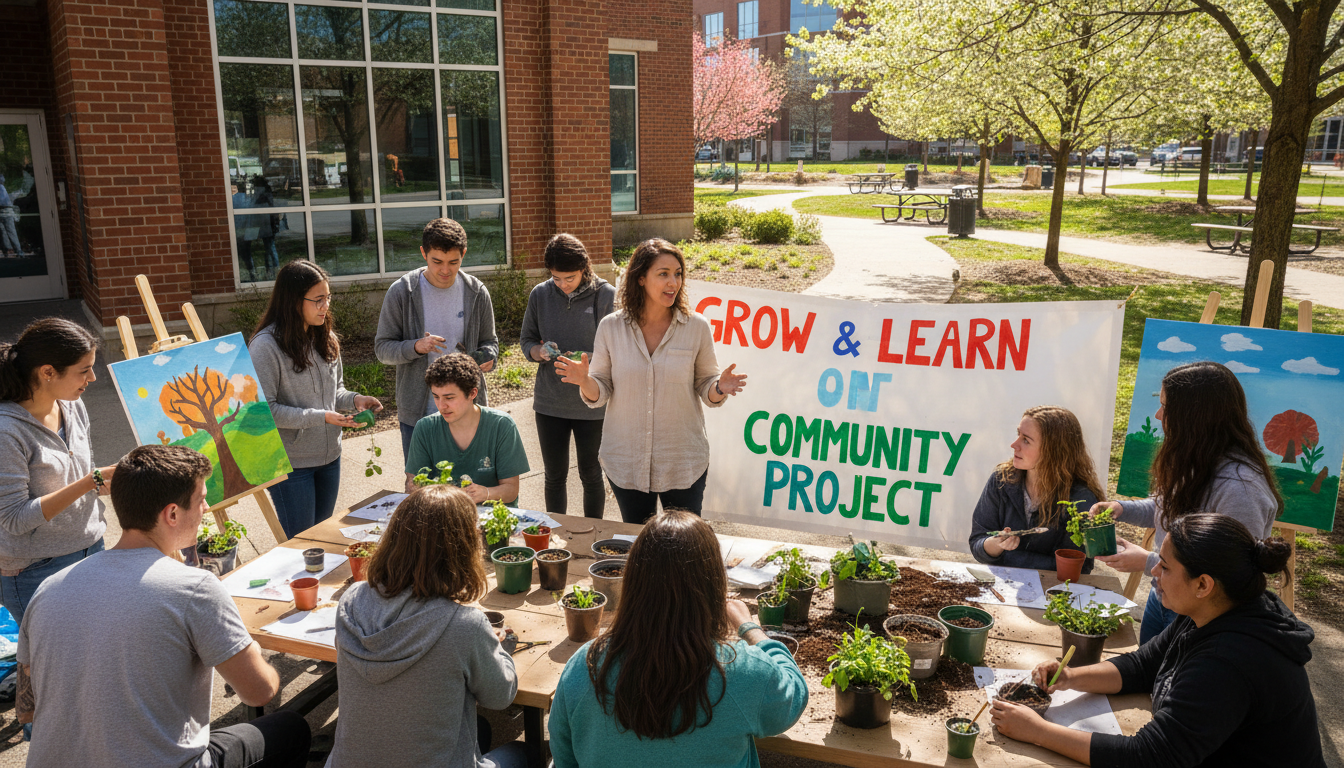
The restoration project also emphasized community involvement. Local residents were encouraged to participate in workshops and tours to understand the significance of the restoration efforts. This engagement fostered a sense of pride and ownership among the community members.
Feedback from residents was instrumental in shaping certain aspects of the project. By incorporating local insights, the restoration not only preserved history but also resonated with the community’s vision for their district.
Challenges and Solutions
Despite the project's success, several challenges were encountered along the way. Weather conditions posed a significant hurdle, as work had to be paused during inclement weather. Additionally, sourcing historically accurate materials was often difficult and time-consuming.
To address these challenges, the project team adopted a flexible timeline and worked closely with suppliers specializing in historical materials. This adaptability ensured that the restoration process remained on track without compromising quality.
Conclusion and Future Prospects
The storm restoration in Chesterfield's historic district stands as a testament to the power of collaboration and dedication. By blending traditional techniques with modern technology, the project not only restored damaged structures but also reinforced the district's cultural heritage.
Looking ahead, Chesterfield plans to implement ongoing maintenance programs to preserve its historical sites for future generations. This proactive approach will ensure that the district remains a vibrant testament to its rich history.